

AWARENESS &
CAPACITY BUILDING
Training & Capacity Building
To support the continuous professional development and capacity building of Teachers, Principals, School Administrators, and other stakeholders associated with School and Pre-school education, NABET conducts a range of workshops and training programmes from time to time, covering the all stage of school education (Foundational, Preparatory, Middle and Secondary).
As national body, NABET-QCI continuously organizes series of training programs related to School and Pre-school Accreditation. In addition to this, there are workshops designed in alignment with the educational practices and recommendations outlined in NEP 2020, NCF-FS 2022, NCF-SE 2023, and other relevant national frameworks and guidelines. The programmes focus on strengthening pedagogical practices, enhancing professional competencies, and promoting effective, learner-centred approaches to education. The workshops are conducted through both Virtual and Physical modes, enabling wider participation and providing opportunities for meaningful professional learning and capacity building.
Our Workshops
Building professional competence through a wide range of training programmes designed for diverse sectors and learning needs.
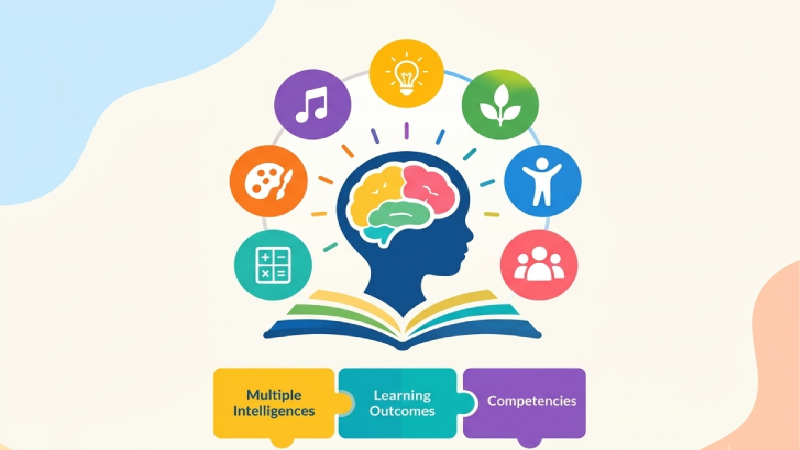
Planning Curriculum for Embedding Multiple Intelligences, Learning Outcomes & Competencies vis-a-vis NCF-FS 2022
The Workshop is designed to help educators and administrators understand how to plan a developmentally appropriate curriculum that integrates Multiple Intelligences, aligns with Curricular goals, Competencies and Learning Outcomes and meets the vision of NCF-FS 2022.
Gain Practical insights, strategies and tools to create engaging, inclusive and future-ready learning experiences for young children


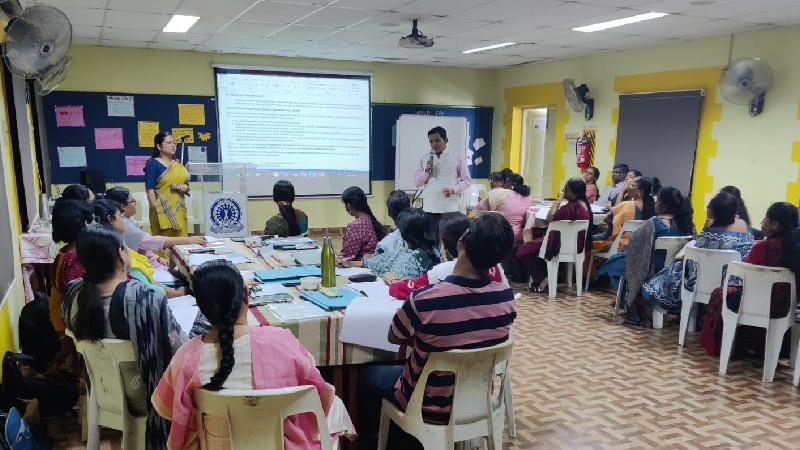
Competency Based Assessment: Designing & Creating Competency Based Test Items/Questions for Learning Outcomes (LOs)
This workshop provides an overview of Competency-Based Assessment (CBA) in alignment with the recommendations of NEP 2020.
It focuses on understanding competency-based assessment frameworks, designing competency-based test items, and adopting effective assessment practices that promote critical thinking, application of knowledge and meaningful learning outcomes.